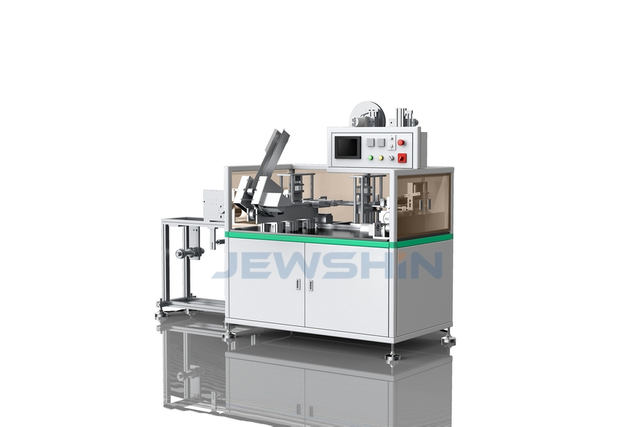
A reliable EPS packaging machinery manufacturer should be evaluated through engineering experience, production data, machine quality, and long-term service ability. Companies should check manufacturing history, automation level, component suppliers, customer references, and after-sales support before purchasing. A suitable supplier can help maintain stable output, reduce downtime, and improve production efficiency. For example, modern EPS production equipment with automated controls can reduce manual adjustment requirements by more than 30% compared with older systems, making supplier selection an important part of factory planning.
EPS packaging production requires equipment that can maintain stable forming quality, accurate dimensions, and consistent output during long production cycles. A manufacturer should understand the full EPS process, including material feeding, steam control, molding pressure, cooling time, and product removal. Since many EPS packaging factories operate continuously for 16–24 hours per day, even small equipment problems can affect production schedules.
A trustworthy supplier usually provides detailed technical information instead of only showing machine appearance. Buyers should review measurable specifications such as cycle time, energy consumption, mold size range, automation functions, and maintenance intervals.
“A professional machinery supplier should explain how the equipment performs under real production conditions, not only provide a machine price.”
Supplier experience should also match the buyer’s application. EPS packaging for electronics, food transportation, medical products, and industrial components may require different machine settings and mold solutions. A manufacturer that has supplied similar industries can usually recommend more suitable configurations based on previous projects.
The global EPS industry has developed for decades, and manufacturers with more than 10 years of equipment production experience often have broader knowledge of machine optimization. When reviewing a supplier, buyers should ask about completed installations, production capacity data, and customer industries rather than relying only on promotional descriptions.
| Evaluation Area | Information to Check |
|---|---|
| Manufacturing experience | Years producing EPS equipment and number of installations |
| Machine performance | Output per hour, cycle time, energy usage |
| Technical support | Installation, training, maintenance service |
| Customization ability | Mold compatibility and production adjustments |
Machine design quality directly affects daily production performance. EPS equipment combines mechanical structures, electrical control systems, pneumatic components, heating systems, and automation technology. A supplier should have engineers capable of adjusting these systems according to product requirements.
Modern EPS machines commonly use PLC-based control systems, touchscreen interfaces, automatic parameter storage, and sensor monitoring. Compared with manually adjusted machines, automated systems can improve production consistency and reduce operator intervention. In many factories, automation upgrades have helped reduce setup time by approximately 20%–40%.
The quality of individual machine components also influences long-term operation. Buyers should ask what brands and specifications are used for major parts, including controllers, valves, sensors, hydraulic components, and electrical equipment.
A professional manufacturer normally follows several production checks:
-
Raw material inspection before manufacturing
-
Precision machining verification
-
Assembly accuracy inspection
-
Electrical system testing
-
Final production trial before shipment
These processes help reduce unexpected problems after installation. A machine may operate thousands of production cycles each month, so manufacturing accuracy matters more than the initial appearance.
Customization capability is another factor when selecting an EPS equipment supplier. EPS products are available in many shapes and sizes, from simple protective inserts to complex packaging structures. Standard equipment may not always match every factory requirement.
A manufacturer should be able to discuss:
-
Product dimensions
-
Required production speed
-
Mold specifications
-
Factory space limitations
-
Future production expansion
For example, a company producing customized protective packaging may require special molds and different pressure settings compared with a company producing standard containers. Suppliers with engineering teams can adjust machine configurations according to these differences.
When searching online, many buyers compare different suppliers using terms such as automatic packaging machine supplier. However, supplier selection should include technical verification, customer feedback, and production capability checks instead of only comparing search rankings.
Customer references provide useful information about actual machine performance. A supplier with successful installations should be able to provide examples from different industries and explain how the machines operate after several years.
Useful questions include:
| Question | Purpose |
|---|---|
| How long has the customer used the machine? | Understand long-term reliability |
| What products are produced? | Compare application similarity |
| How often is maintenance required? | Estimate operating conditions |
| How quickly does technical support respond? | Understand service quality |
A manufacturer that has completed projects in multiple countries may have experience with different production standards, factory conditions, and operator requirements. Buyers should review real installation photos, customer feedback, and production data whenever possible.
After-sales service should be considered before signing a purchase agreement. EPS machinery requires installation adjustment, operator training, and occasional technical support. A supplier without proper service resources may create delays when problems occur.
Important service details include:
-
Installation assistance
-
Machine operation training
-
Spare parts availability
-
Remote technical support
-
Warranty conditions
For factories running continuous production, response time can affect output stability. A machine stopped for several days may influence delivery schedules and production planning.
Energy consumption is also becoming more important for EPS manufacturers. Steam, compressed air, and electricity usage directly affect operating costs. When comparing machines, buyers should request actual consumption data instead of relying only on general descriptions.
A detailed comparison may include:
| Item | Supplier A | Supplier B |
|---|---|---|
| Production capacity | Units/hour | Units/hour |
| Power consumption | kW | kW |
| Steam usage | kg/cycle | kg/cycle |
| Maintenance interval | Months | Months |
A machine with a higher purchase price may provide better long-term performance if it uses less energy and requires fewer repairs. Equipment evaluation should consider operating costs over several years rather than only the initial payment.
Supplier communication quality also reflects technical professionalism. During discussions, experienced manufacturers usually ask detailed questions about products, materials, production targets, and factory conditions before recommending equipment.
A supplier that immediately recommends a machine without understanding the application may not provide the most suitable solution. Good technical communication normally includes production calculations, equipment explanations, and realistic expectations.
Before final selection, buyers can create a supplier evaluation checklist based on measurable factors:
-
More than 5–10 years of EPS machinery experience
-
Verified customer installations
-
Complete technical documentation
-
Stable component supply
-
Clear warranty terms
-
Professional after-sales support
Choosing an EPS packaging machinery manufacturer requires reviewing many practical details, including machine structure, production performance, service ability, and customer experience. A supplier that combines engineering knowledge with reliable support can help factories maintain consistent production quality and improve equipment utilization over many years.