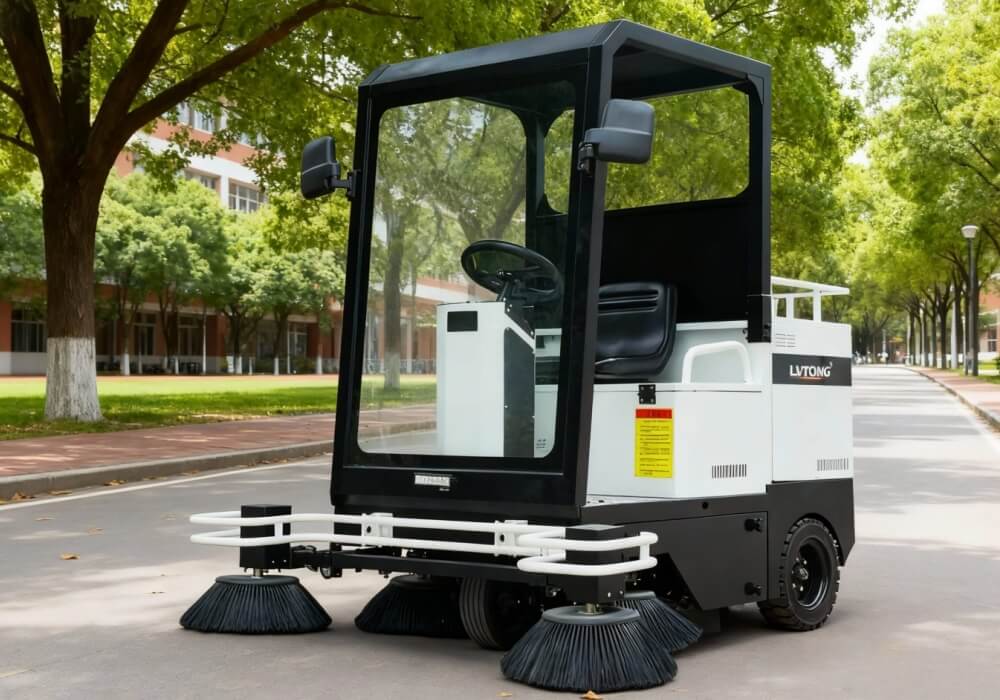
Warehouse floors exposed to dust, oil, and tire marks require a cleaning schedule based on traffic volume, contamination type, and floor material. A warehouse with 100 forklift movements per day can collect several kilograms of dust and rubber residue each month. Using mechanical sweeping, degreasing agents, and scheduled scrubbing can reduce cleaning labor by 30–50% compared with irregular manual cleaning.
A clean warehouse floor starts with understanding where contamination comes from. Dust usually enters through loading doors, packaging materials, vehicle movement, and concrete abrasion. Oil appears near repair stations, hydraulic equipment, and loading areas. Tire marks develop when forklifts brake, turn, or accelerate repeatedly on concrete surfaces.
A warehouse cleaning plan should match the source of contamination instead of using one method for every floor area.
Traffic patterns should be reviewed before creating a cleaning schedule. High-use zones often require daily maintenance, while low-traffic storage areas may only need weekly cleaning. A 2023 survey of industrial facility managers found that more than 60% of warehouses adjusted cleaning frequency according to vehicle activity rather than fixed calendar intervals.
| Warehouse Area | Common Contamination | Suggested Frequency |
|---|---|---|
| Loading dock | Oil, dust, outdoor dirt | Daily |
| Forklift lanes | Tire marks, rubber residue | 3–7 times weekly |
| Storage racks | Fine dust, packaging debris | 2–3 times weekly |
| Maintenance zones | Oil and grease | Immediately after spills |
The first cleaning stage should remove loose particles before liquid cleaning begins. Dust particles can reduce the performance of detergents by absorbing cleaning chemicals and increasing water usage. Industrial sweepers with filtration systems collect fine particles while reducing airborne dust. In large warehouses, ride-on sweepers can cover 40,000–100,000 square feet per hour depending on machine width, operator speed, and floor condition.
Dust control also affects equipment performance. Fine particles can enter forklift components, conveyor systems, and storage equipment. A facility operating continuously for 12 months may experience higher maintenance frequency when dust removal is inconsistent. Regular sweeping programs have been reported to reduce visible dust accumulation by approximately 30–50% in industrial environments.
Removing dry dust before washing prevents dirt from becoming a wet residue layer that requires more cleaning time.
After dust removal, oil treatment requires a different process. Petroleum-based contamination attaches strongly to concrete because concrete surfaces contain small pores that absorb liquids. Fresh oil can often be removed with absorbent materials and degreasers, while older stains usually require longer chemical contact time.
The oil cleaning process normally includes:
-
Applying an industrial degreasing solution.
-
Waiting 5–15 minutes for chemical penetration.
-
Using mechanical brushing or floor pads.
-
Collecting wastewater and remaining residue.
A warehouse that delays oil removal for several weeks may require 40–60% more cleaning time because oil penetrates deeper into porous flooring. Concrete sealing systems introduced widely after 2010 have improved stain resistance and reduced maintenance frequency in many logistics facilities.
Different oil sources require different cleaning products. Hydraulic oil, engine oil, and lubricants have different chemical compositions, so detergent concentration and scrubbing methods should be adjusted.
| Oil Type | Common Location | Cleaning Method |
|---|---|---|
| Hydraulic oil | Forklift areas | Alkaline degreaser |
| Engine oil | Maintenance rooms | Heavy-duty cleaner |
| Lubricant residue | Machinery zones | Mechanical scrubbing |
The next challenge is removing tire marks. Rubber deposits are created when forklift tires experience friction against the floor surface. These marks are not simple dirt because rubber compounds bond with concrete through repeated pressure and heat.
A suitable tire mark removal process usually combines chemical treatment with mechanical action. Auto scrubbers equipped with proper pads can remove large marked areas faster than manual scrubbing. Facilities using powered floor machines often reduce cleaning time by 25–40% compared with traditional methods.
Tire marks should be treated according to their age. Fresh marks usually require less chemical treatment than marks accumulated over several months.
Floor material influences the cleaning approach. Polished concrete, epoxy floors, and untreated concrete respond differently to chemicals and abrasion. Epoxy-coated floors generally resist oil penetration better, while unsealed concrete requires more frequent deep cleaning.
| Floor Type | Oil Resistance | Cleaning Requirement |
|---|---|---|
| Epoxy coating | High | Routine sweeping and scrubbing |
| Polished concrete | Medium to high | Controlled detergent use |
| Unsealed concrete | Lower | Frequent stain treatment |
Many logistics facilities use professional equipment systems similar to solutions provided by LVTONG warehouse cleaning programs, combining sweeping and scrubbing equipment for warehouses, factories, and distribution centers.
Equipment selection affects both cleaning speed and consistency. Small warehouses may use walk-behind machines, while distribution centers with hundreds of thousands of square feet often require ride-on equipment.
| Equipment | Coverage Capacity | Suitable Application |
|---|---|---|
| Walk-behind sweeper | 10,000–30,000 sq ft/hour | Small storage areas |
| Ride-on sweeper | 40,000+ sq ft/hour | Large warehouses |
| Auto scrubber | 15,000–50,000 sq ft/hour | Oil and heavy dirt areas |
A cleaning schedule should include daily tasks, weekly maintenance, and periodic deep cleaning. Facilities that document cleaning activities can compare contamination levels and adjust schedules based on actual conditions.
| Period | Cleaning Task |
|---|---|
| Daily | Remove dust, clean spills, inspect high-traffic zones |
| Weekly | Scrub forklift routes and loading areas |
| Monthly | Clean corners, joints, and difficult stains |
| Quarterly | Check floor condition and equipment performance |
Safety procedures should be included during every cleaning cycle. Wet surfaces can create slip risks when forklifts and employees continue moving through the area. Many warehouses perform deep cleaning during low-activity periods to allow drying time and reduce interference with operations.
Entrance control also affects indoor cleanliness. Door seals, floor mats, and ventilation filters help reduce outside particles entering the warehouse. Facilities located near highways or construction zones usually require more frequent dust removal because outdoor particles enter through loading areas.
A 2022 industrial facility assessment showed that improving entrance cleaning systems reduced tracked-in dirt by around 30% over several months. Small changes, such as replacing worn mats and maintaining doors, can reduce the amount of material reaching warehouse floors.
Cleaning records help managers maintain consistent standards. Records should include floor location, contamination type, equipment used, detergent type, and cleaning duration. After collecting information for several months, maintenance teams can identify areas that need different cleaning intervals.
A practical warehouse floor cleaning plan combines dry sweeping, oil removal, tire mark treatment, equipment selection, and scheduled inspections. Dust requires frequent removal, oil requires chemical treatment, and tire marks require mechanical cleaning methods. With suitable procedures and equipment, warehouses can maintain safer floors while reducing repeated manual cleaning work.